
Newsroom overview

Who They Are
A digital magazine based in Berlin that focuses on explanatory journalism and collaborations with readers
Location
Berlin, Germany
Founded
2014
Launched membership
2015
Monthly unique visitors
474,755
Number of members
13,676
Percentage of revenue from membership
86 percent

Krautreporter launched in 2014 with a bang. It raised $1.38 million from 17,000 individuals via a crowdfunding campaign. They considered those supporters its first members. 

But after that exciting launch came reality: In order for its business to succeed, Krautreporter needed to keep those supporters for a second year – but it lost 70 percent of them when that time came around. The team chalked that up to two things: not asking crowdfunding contributors to become recurring members from the start, and a gap between what crowdfund supporters thought Krautreporter would be and what they got once it started publishing.  

“That turned out to be a big problem one year later… we had to come up with a new value proposition, and that’s the one that works for us [now],” said Sebastian Esser, the founding publisher who now leads the membership platform Steady. 

In its second year, Krautreporter revamped its strategy to prioritize retention over growth, introducing a paywall and refining its focus on engagement. It’s continued to make retention a priority since by adding features to encourage sharing, and prioritizing annual renewals.

Today, the organization has 13,676 members and a rolling annual retention rate of 54.8 percent. 

Why this is important

It is less labor intensive and more cost effective to retain members than to gain new ones – and the longer someone is a member, the more value they bring as a financial contributor and brand ambassador. 

This is especially true at organizations like Krautreporter that provide a distinct news experience. But when you offer something a bit different than people are used to, you also have to be incredibly clear about your value proposition. That gap between expectations and reality can make retention a challenge, especially in a newsroom’s first year.

“Some of the things we’ve been doing in the membership with regards to community work and engagement are not things that people are used to if they have a subscription to The New York Times or the German newspaper Der Spiegel,” said Krautreporter publisher Leon Fryszer. “You expect a transactional (approach) — money for text. We don’t know what to expect if suddenly we have this community driven journalism approach where we engage you in our reporting. Fundamentally, that is not something they know what it means. We always say that engagement doesn’t sell because people don’t know what it is.”

What they did

As Krautreporter entered its second year, 70 percent of its initial supporters chose not to sign on as members.

Some of that was because members who joined through the crowdfunding campaign only made one-time contribution. Without automated recurring payments in place, one of the most foundational ways to support retention, Krautreporter struggled to encourage renewals.

They also had a hard time telling their story.

“People weren’t really sure what we were. They could tell we were different, but before us telling them and being very explicit about this is what we do and this is what you get, they were a little bit confused. Just putting our stories out there in the different formats didn’t explain what we do,” Esser said. 

As Krautreporter moved through its second year — and beyond — it made a couple key changes to improve its retention:

  • It refined its value proposition so there was less of a chance of new members canceling because of misplaced expectations
  • It introduced a paywall and a benefit that allowed members to share their membership with others
  • It studied the link between survey participation and retention (surveys are at the core of Krautreporter’s engagement model)
  • It made annual payments the default membership option and implemented small nudges to incentivize people to renew annually

Krautreporter began to emphasize the explainer nature of its coverage. It doesn’t publish a ton of stories, instead focusing on helping its members better make sense of the world. The team worked on making that value proposition clear to both members and potential members. 

Krautreporter also introduced its paywall, as well as a shared login benefit that allows members to extend their membership to others. “I don’t think we would have survived without adding that paywall,” Esser said.  

The paywall is key to that because it is what makes the membership sharing benefit viable, and Krautreporter learned through user research that members are less likely to cancel if they know that others are dependent on them for access. (This is also one of the reasons that Netflix has not worked hard to crack down on password sharing.)

Krautreporter was heavily invested in surveying its audience members regularly from the beginning, but it wasn’t until the second year that the team began paying close attention to how participation affected retention. Krautrerporter learned that on average, readers who participate in at least one survey remain members for roughly four months longer than a non-survey taker. 

Krautreporter also decided to prioritize annual memberships after realizing that many of their monthly members joined just to read a specific article or articles and soon canceled. They did so by making annual the default option — with increasing price tiers that allow for members to add additional accounts. Krautreporter offers monthly subscriptions, but users need to take an extra click to sign up for them and they cost more over the course of a year.
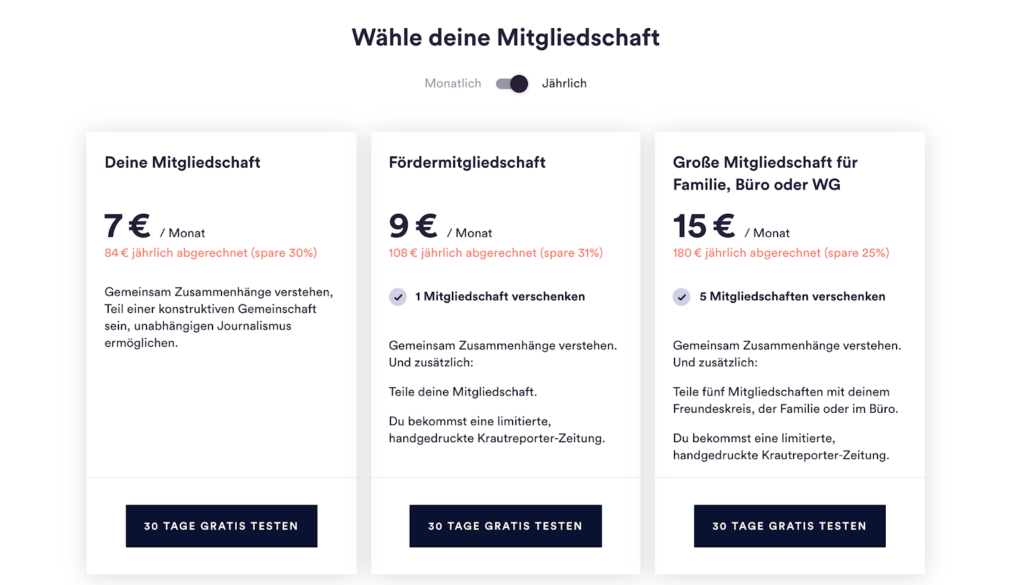
Krautreporter’s membership landing page, with the annual default (Courtesy of Krautreporter)

In recent months Krautreporter has also introduced new email newsletters and other features, such as categorizing articles by length and telling readers how long it’ll take them to finish a story. They launched these time management features after hearing through audience research that members found Krautreporter “time expensive.”

“By giving Krautreporter some money in 2014 meant you’re on the team of the progressive journalism crowd,” Esser said. “So I mean, that makes you feel better. Also, it’s a statement to your community… But it’s completely different today. I mean, we had to build a product that works. But now people have no idea that we are crowdfunded and what the backstory is and all that. Actually, we start telling people now because we can’t take it for granted that they know this stuff.”

The results

Encouraging annual recurring payments has helped. Sixty percent of its new annual members stay on for the second year, but retention among monthly members only reaches 60 percent retention after their third month of membership. In others words, a significant portion drop off after only a couple months. (This is one of the challenges that organizations with paywalls face – sometimes people pay to be able to access a set of stories for a certain period of time.)

“The conclusion from this was that, of course, for us business-wise it makes sense for us to make annual memberships cheaper, but it’s also a fair move to tell people that we see this is a long-term commitment for you, and you’ll be [spending] more money with us anyway, so we make the annual memberships cheaper because it’s a commitment on your side,” Fryszer said. 

The membership renewals — both annual and monthly — are processed through Steady, the membership platform that Krautreporter founder Esser co-founded, and which it uses for the business end of membership. And they are automatically renewed, which is essential for retention. Members are also reminded that their membership is going to renew just before they are charged again. 

“That’s one of the key things to keep in mind when you start off with membership: You want that long-term commitment in the sense of automatic renewal from the start,” Fryszer said. “What you don’t really want to happen is that a year later you have to ask everyone for their credit card again because that’s basically another crowdfunding, and that’s probably going to break your neck.”

What they learned

Doing something new requires a lot of explanation. It takes time for members to fully understand what they’re getting from Krautreporter and its engagement-heavy style of journalism. That’s one of the reasons why the site prefers annual memberships — it affords it the opportunity to introduce readers to its surveys and its journalism. 

“Annual membership gives yourself more time to actually show them the work that you do,” Fryszer said. “Frankly, people probably won’t engage with the first things that you do. After a while, they’ll realize how things work…The longer you’re a member, the more likely you are to at some point see something that you’re super interested in and to pick up the engagement offers that we give you. I think that’s also why you want to give yourself some time with a membership model.”

Onboarding helps with that. One way Krautreporter has tried to nudge members along is via a four-email onboarding series that introduces them to its survey-based engagement strategy, asks members to share information such as their expertise, and more. 

Retention starts early. Krautreporter offers non-members some articles and surveys for free so readers can sample its approach to engagement. This helps the site identify potential candidates for membership. “It filters out people who are not engaged and would not stay on longer,” said Fryszer.

Time is money. The most common reason Krautreporter members cancel their membership is because they say they don’t have enough time. Fryszer said that feedback has made the site realize that it needs to give members more structure to help them fit Krautreporter’s journalism into their lives. 

It already started adjusting with new features mentioned above, including telling readers how long it will take them to read a story and another feature that is still under development that groups stories by length. Krautreporter also plans to develop new products that are more finite and give readers an experience they can finish and feel caught up to the news. 

Key takeaways and cautionary notes

Showing what you’re about is hard work, especially in the beginning. Newsrooms need to be regularly reminding members of the value proposition they’re offering their audiences. This is especially important upon launching from scratch, when readers will have all sorts of preconceptions about what the newsroom is offering.

“Disappointing lots of people along the way, is probably the most stressful phase of my life,” Esser said. “And I never want to do it again. But you should definitely be aware when you start something like that, that this is coming your way. Because it happens to every project that I know that starts from zero. You first have to find out within your team and you know, coworkers and all that, what you actually want to do. And then of course, you need a business model and an audience and members while you do that.. And that creates all kinds of misunderstandings, disappointments, and membership is always emotional, it’s about relationships. For me, that created a lot of stress.” 

Pay attention to why your readers are canceling. Krautreporter was able to identify two common reasons and it came up with potential solutions to both. The first, that many people who joined monthly did so to access a specific article, they attempted to address by making annual memberships more valuable and making them the default.

The second, that engaging with Krautreporter was too time consuming, they are focusing now on providing products that are finishable and don’t take as long to read. 

Consider taking advantage of canceling members’ attention one last time by including a one-sentence survey on your cancellation page asking why they are canceling, or following up personally. Keep track of the answers you receive, and think about how you can make changes that could solve some of those pain points.

Disclosure: Membership Puzzle Project supported a separate Krautreporter project in 2019 through the Membership in News Fund.

Other resources

Newsroom overview

Who They Are
A digital media and consumer analytics company that inspires black women to realize how they can change their world through every click they make and every conversation they have
Location
London, U.K.
Founded
2014
Membership program launched
2017
Number of members
About 1,000
Percentage of revenue from membership
60 percent

Black Ballad aims to be the leading digital and physical space for creating economic empowerment for Black British women. In pursuit of that, they publish stories about Black women’s experiences, host events, support a vibrant member-only Slack community, and survey their audience members formally and informally. Their relationship with their readers and members is strong.

All of this has helped Black Ballad position itself as an organization that reaches, serves, and knows the 25 to 45-year-old British Black professional woman better than almost anyone else. They had a hunch that knowing this community would not just help them grow their membership program – it would help them unlock other revenue opportunities, too. 

In 2020, they tested that hypothesis by packaging their insights and journalism into an editorial campaign about Black motherhood. They used informal feedback from their Slack group to design a survey on the topic, distributed that survey to more than 2,000 women, and used the results to guide editorial coverage, add new knowledge to the conversation around Black motherhood, and secure a paid partnership to bring the conversation to mainstream media.

Why this is important

When people talk about membership revenue, they stop their calculations at the revenue from membership fees. But if you have a strong feedback loop with your members, that relationship can be the genesis of other mission-aligned revenue opportunities.

“Learning about what audiences care about and what they find important are more important data points than just surface-level statistics that capture general population behaviour,” co-founder and publisher Bola Awoniyi says. “If you’ve done a good job defining who your publication is for… then you can craft a business that’s based less on your scale and more on your understanding.”

But gaining the level of member engagement you need for that work requires mutual trust. A core part of Black Ballad’s mission is to create a space online where Black women can feel safe and thrive. By continually fulfilling that mission, they are making deposits on the trust that they draw on every time they ask their members to take time and energy to share personal insights. 

While few organizations have an audience as specifically defined as Black Ballad, these same principles can be applied to specific audience segments for organizations with larger audiences.

What they did

Black Ballad knew motherhood was an important topic for their members because it was consistently one of the top three topics members expressed interest in in the member onboarding survey. But the catalyst for the editorial campaign was new, critical statistics on Black women’s material experiences and Serena Williams’ and Beyoncé’s decisions to share their stories, both of which launched the topic into the mainstream. 

Black Ballad already had a strong sense of how their members felt about the topic. In May 2018 they created a #motherhood channel in their members-only Slack group. A year and a half later, they used those informal insights to begin designing an editorial campaign around Black motherhood, which they launched in January 2020 with a letter from editor-in-chief Tobi Oredein. (Disclosure: Membership Puzzle Project supported this editorial campaign with a grant from its Membership in News Fund.)

They began that project with a 100+ question survey, which asked questions such as:

  • For biological mothers, how prepared did you feel for your most recent child’s arrival?
  • For biological mothers, in what ways did you look into your own and your partner’s fertility prior to pregnancy? 
  • How long were you trying to conceive your first child?
  • For biological mothers, during your current pregnancy, how would you rate the care you received from the following NHS [National Health Service] healthcare professionals?
  • For foster parents, how long did the process take in being assessed for adoption/fostering from the start of the process, to child placement?
  • How different has the reality of motherhood been from your expectation?
  • Overall, how would you rate the support postpartum you have received?
  • For stepmothers, how involved would you say you are in decisions related to your stepchildren’s upbringing?
  • In what ways do you anticipate becoming a mother impacting your career, or in what ways did becoming a mother impact your career?
  • To what extent does/did money feature as a factor when thinking about having a family and how big your family should be?

They used facts about the Black motherhood experience as hooks to help the survey spread on social media, beyond their existing audience. 

That survey had a 60 percent completion rate and 2,600 respondents, with 40 percent of responses coming from outside London, where Black Ballad is just beginning to grow its membership. 

For the next several months they published on the topic continuously, using the survey data to add immediacy and depth to stories on topics like infertility. They continued to drive conversation and gather additional insights for months after by resurfacing data points and quotes via atomic social media posts

The results

Amid the Black Lives Matter protests of summer 2020, Black Ballad secured a partnership with HuffPost UK to talk about Black motherhood. For a week in August they took over HuffPost’s lifestyle section, parts of their homepage, their politics podcast, and several other owned assets. HuffPost is also paying the Black Ballad freelancers commissioned to do stories for HuffPost. They also secured a deal with the podcast company Acast based on the motherhood survey results and editorial work that will be coming out in fall 2020.

Black Ballad also fielded inquiries from a university that wanted to license access to the Black motherhood survey data for use in their sociology program and talked to several brands about partnerships. Although the pandemic disrupted both, Black Ballad sees them as indications of future opportunities, which were picking back up at the time of publication. 

Awoniyi now thinks of the Black motherhood project as a case study they can use to pitch future projects. He sees opportunities to monetize via sponsorships and grant underwriting, paid media partnerships, membership drives, and partnerships with academia and other institutions who find this type of data useful. They will use the steady stream of feedback from their onboarding survey and the Slack group to identify future high-interest topics worthy of this level of coverage. 

Each “package” is likely to have the following elements:

  • A detailed kick-off survey to gather quantitative and qualitative insights from Black women
  • Editorial commissions based on the survey results (sometimes a specific result was the genesis of a story, but more often the responses pointed to something interesting in the data for Black Ballad to explore more broadly, Awoniyi says)
  • Events 
  • Media partnerships and takeovers 
  • The packaging of data for other organizations who can use it in their work

Informed by their experience with the Black motherhood project, in May 2020 Black Ballad launched the Great Black British Women’s survey, a 100-question survey aiming to find out what issues most influence Black women’s lives. “We don’t want to repeat the mistakes of mainstream media and have one overly dominant voice, but claim to represent an entire demographic of people,” they wrote. 

Awoniyi anticipates that revenue opportunities connected to audience insights will “make up the lion’s share of Black Ballad’s revenue” in a couple years. “It’s much easier to rely on a £35,000-a-year deal from a university to license the data than however many thousand users it would take to replicate that in membership fees,” he says.

That doesn’t mean the members are any less central to their mission. Although other revenue streams remove some of the financial pressure to relentlessly grow the membership program, Black Ballad still sees member growth as a key indicator that they’re continuing to create editorial content and experiences worth paying for, and they know they need to continue serving their existing members well for this model to work.

Awoniyi foresees Black Ballad collecting a wide range of data points via surveys, from how much Black women spend on a certain item a month to how Black women in different parts of Britain feel about hiring nannies. Their goal is to build a database that individuals and companies can subscribe to in order to access survey response data stripped of any personal information – particularly appealing amid the move to first-party data.

What they learned

You need to know more about your members than their newsletter open rates.  Black Ballad has a multi-layered picture of who a Black Ballad member is – and that makes it much easier to design high-interest, high-impact editorial campaigns. She is:

  • A Black woman, typically 25 to 45 years old
  • A “socializing young renter” or mother with a young family 
  • Likely part of an educated family (85 percent of their paying audience has a university degree, 45 percent have a master’s degree, and 10 percent have above a master’s degree) 
  • Online a lot, especially on her smartphone
  • Highly social, likely active on Black Twitter
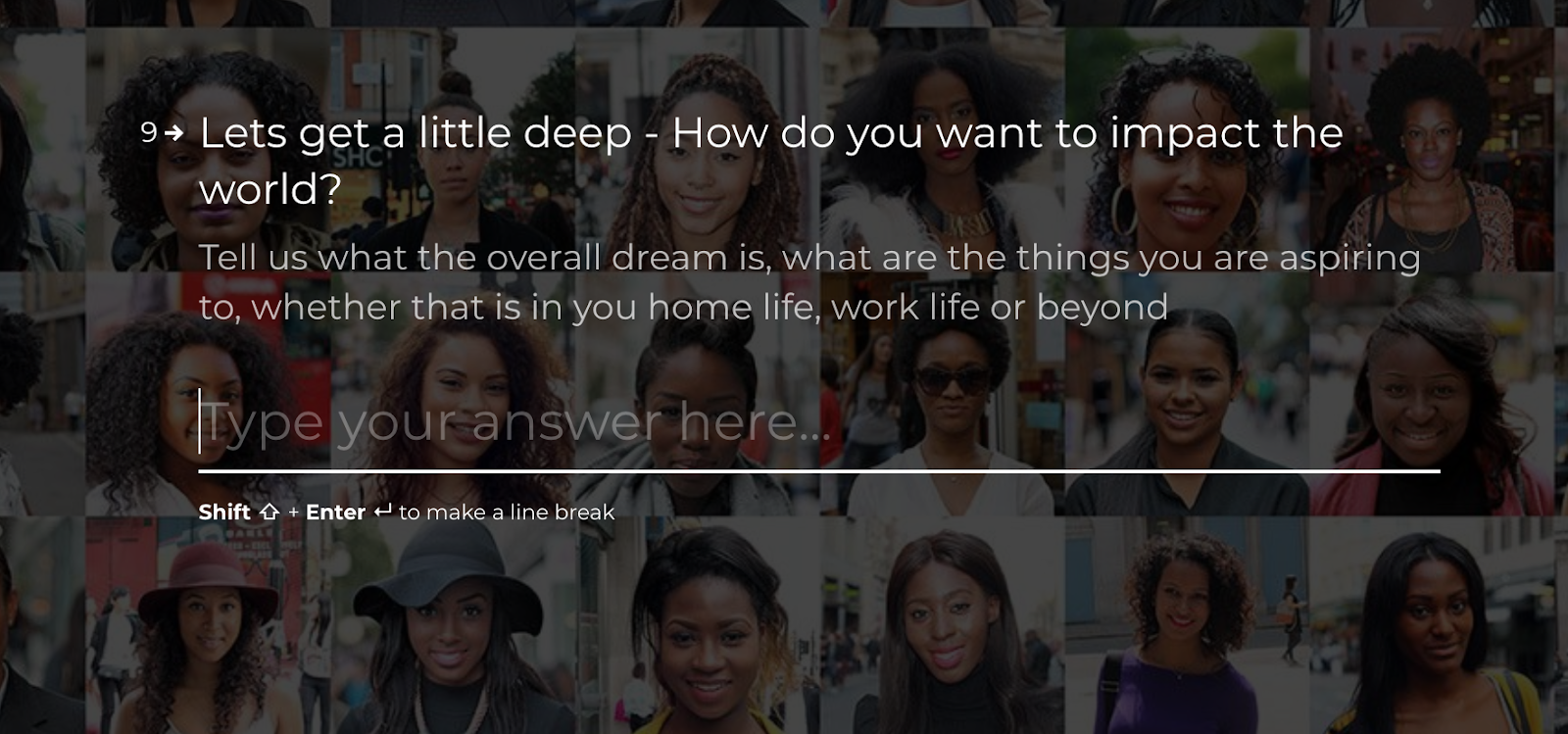
One of the questions asked in Black Ballad’s onboarding survey (Courtesy of Black Ballad)

“We call her professionally ambitious, culturally curious and socially conscious. … She wants to experience the fullness of life and figure out the best way to avoid the pitfalls that systemic racism and systemic sexism have laid before her. Black Ballad’s job is to help her figure out how to live her best life and how to maximize her life with every click she makes and conversation she has,” Awoniyi says. “She is in pursuit of how she can become her best self.”

Conversations are data too. The Slack group began as a safe place for Black women to gather online and build community, and that remains its primary goal. But, Awoniyi says, it has also evolved into “a pipeline of data for Black women who want to talk about issues most important to them.” Although anecdotal, when systematically collected, that data can be used to shape surveys, events, and editorial campaigns with stronger traction.

Monetizing these insights requires deep trust. Awoniyi knows that these editorial campaigns are only possible because they have their members’ trust. In their Black motherhood survey, they asked deeply personal questions about tough topics such as fertility and miscarriages. If Black Ballad takes steps toward becoming a true consumer insights platform, they’ll have to be explicit with their users about how Black Ballad uses their data.

Key takeaways and cautionary tales

It’s all about knowing your community. “The superpower of digital businesses is that they have the power to really understand their audience. More than anyone else, media businesses do very well when they focus on the community they serve and the topics that trickle down from it,” Awoniyi says. “I would definitely encourage other media brands to go back to first principles of ‘What does this audience need to fulfill whatever objectives they have and what do the people who want to reach this audience need to fill the objectives they have? If you’re able to do that, a bunch of revenue opportunities that are specific to the people you’re experts in should come your way.”

And having their trust. The other thing Awoniyi mentions as critical to the success of this approach is trust. Black Ballad is asking women to share their lived experiences with them (albeit in an aggregated, anonymized way) so that they can package that information and monetize it. “Because we built our brand on putting Black women first, trust is implicit. Black Ballad isn’t going to violate any trust that the audience has in them. We want to take a more robust approach in how we sign off usage of that data as we figure out how to use it commercially. But it’s not just that people pay for membership and trust us. In order to make it successful, trust is not just necessary, it’s table stakes.”

Make your onboarding survey work for you. Many of Black Ballad’s ideas originate with their onboarding survey, which includes the question “What three topics are you most interested in?” That survey has a 55 percent completion rate, with a mini incentive to encourage participation: you have to fill it out in order to get your coveted Black Ballad member pin. They use the onboarding survey data to inform everything from what channels to offer in their member-only Slack to what they should focus on in future editorial campaigns. And because its distribution is automated, it’s a form of always-on audience research.

Other resources

Newsroom overview

Who They Are
A Spanish-language narrative storytelling podcast distributed by NPR
Location
Global
Founded
2011
Membership program launched
2019
Weekly unique listeners
90,000
Number of members
1,325
Percentage of revenue coming from membership
10 to 15 percent

Narrative podcast Radio Ambulante gets 90,000 listeners a week who listen to an average of 80 percent of every episode. When you ask listeners what they love about it, they’re likely to say that it feels like the hosts are telling their story and that they feel like they’re part of a true community. 

Most listeners will never meet because they’re spread across at least three continents – South America, North America, and Europe. But Radio Ambulante knew if it was going to build a sustainable media organization with a loyal audience, it needed to find a way to help their listeners feel each other’s presence – and it needed to be able to offer that consistently.

They provide that sense of community through the podcast by including stories from listeners; through listening clubs, where people gather in person to listen to episodes; and through a corresponding Facebook group. All of these are initiatives that they’ve been able to make routine, so that they’re always there for listeners. 

All that work has not just created a strong community around Radio Ambulante – it’s created a community of people willing to support it financially. In September 2019 they launched membership – still a nascent concept in Latin America – and a year later they have 1,300 members.

Why this is important

One of the main reasons people become a member of a news organization is to be a part of something bigger than themselves. If your members don’t feel each other’s presence, you’re not offering them one of the most common motivations for membership: community. 

But a community can only flourish when it is consistently there for its members. By cultivating community in a few targeted ways, Radio Ambulante has been able to routinize that work and consistently deliver. 

As your community grows, it can be hard to find the resources to support it. By making it easy for their biggest fans to host listening clubs themselves, Radio Ambulante was able to grow that community without spreading the team any thinner. They found the intersection between audience members’ motivations and their needs that MPP has found lies at the heart of memberful routines. 

What they did

Before the listening clubs, there was the Club de Podcast Facebook group. Radio Ambulante launched the group in January 2018 so that listeners could gather to talk about the podcast, much like a book club. Growth Editor Jorge Caraballo said they wanted to make it possible for listeners to talk to each other, without Radio Ambulante staff as the go-between. 

The Facebook group took off. Listeners dropped in every week to talk about what episodes made them feel and ask questions about where the season was headed. The community grew so much that other listeners often beat Caraballo to answering listeners’ questions. 

“When you listen to Radio Ambulante, you become a character of Radio Ambulante,” Caraballo says. “The episodes take you deep into subjects or things that make you feel, that make you want to understand them through your experience. So you have to share your own experience to be able to talk about the episodes.”

It was the way the community supported itself that made Radio Ambulante realize there was potential for creating listening clubs. By the time they decided to launch the clubs, the Facebook group had 7,500 members. (Today the group has 9,500 people.) 

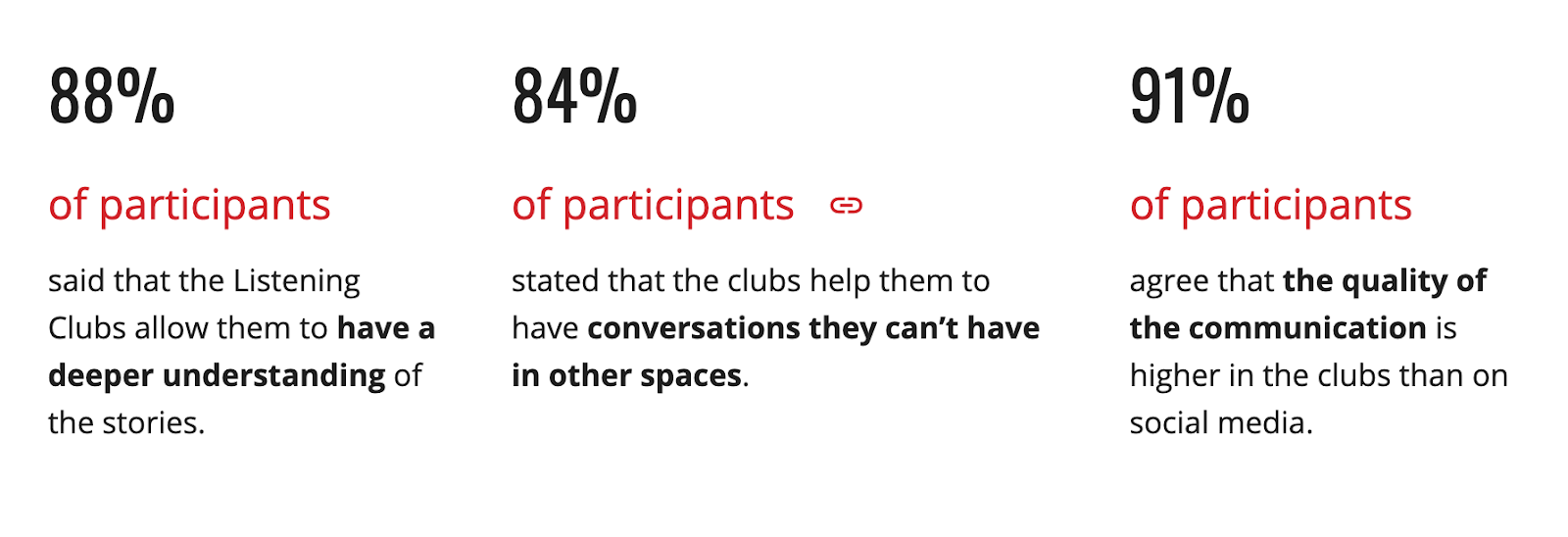
Staff members hosted 20 pilot listening clubs across the U.S. and Latin America from February to May 2019 (the team is fully remote, and is spread across the regions). The format was pretty simple: help participants get to know each other, listen to a 30 or 40-minute episode together, discuss the episode afterward, and then take a photo together, as Nieman Lab reported. The feedback in post-club surveys was overwhelmingly positive.

Survey results from the listening club pilots (Courtesy of Radio Ambulante)

They began having staff members host the clubs, but Radio Ambulante soon realized that they had many listeners who were eager to be hosts themselves. To support those volunteers, they created a guide that includes advice on everything from how many hours to book a venue to how to guide a discussion (Spanish guide, English guide). It even includes coloring sheets to help break the ice and help listeners focus on the podcast. 

“From the beginning the idea was to connect listeners with themselves,” Caraballo said. “We want them to take responsibility and ownership of the community.”

The results

Today, at least 3,000 people have participated in a listening club, and at least 118 people have hosted one (it’s hard for Radio Ambulante to be certain, because you don’t have to register with them to host or attend). Some listening clubs gather every week during a podcast season, from Panama City to Paris. A Colombian-Argentinian listening club host living in New York recently reached out to Caraballo to thank Radio Ambulante for helping him find friends that feel like family. They get messages like that all the time.

But the vibrancy of the community has made another channel much harder to manage: WhatsApp. Radio Ambulante has more than 3,000 on its WhatsApp list, and unlike the listening clubs, Caraballo has no choice but to be the only host. Last season, Caraballo experimented with posting a link to the latest episode each week, but some weeks he got back as many as 200 1:1 messages from fans. Sometimes it would take him a whole day to reply to all of them, which was unsustainable.

As they prepare to launch a new season for the fall, Caraballo plans to be very clear with people in the WhatsApp group that it’s just one person on the other end of the line, and he won’t be able to answer all of them. 

This intentional community building has cultivated a loyal audience willing to support Radio Ambulante financially. In their annual survey in spring 2019, Radio Ambulante asked respondents if they would be willing to support the podcast with a monthly contribution. Sixty percent of the 6,100 people who responded to the survey said yes. Radio Ambulante launched their membership program in September 2019, and a year later, they have about 1,300 members. 

Caraballo’s had to be careful about making it clear that Radio Ambulante values all of their community members, particularly as the membership program – and the tasks associated with supporting it – continues to grow. When they first launched the membership program, many worried listeners reached out to the Facebook group, wondering if it would soon be a member-only discussion. 

Radio Ambulante has no plans of putting that community – or any Radio Ambulante community – behind a paywall. So far, one of the only things limited to members is a biweekly coffee chat over Zoom with members of the team. “We don’t want the membership program to be seen as fundraising in the worst meaning of the word. We want it to be a consequence of the engagement. We don’t want it to be something for the money,” he said. 

What they learned

Just because you produce journalism, doesn’t mean you have to do journalism all the time. Radio Ambulante builds community by providing connection and joy. Their listening clubs include coloring sheets. They share illustrations and WhatsApp stickers tied to the podcast with their members. In July 2020, with in-person listening clubs on hold, Radio Ambulante hosted a multi-hour online dance party on Zoom. They hired a popular DJ. At least 700 people were on the line at any point between 8 p.m. and midnight (with hundreds staying on until 3 a.m.). The free event raised more than $1,000 in donations. As the main video cycled through attendees, participants toasted, danced, and held up flags and signs letting everyone know where they were listening from. 

This is particularly important in today’s grueling news cycle, when your audience members need something more than information. As Caraballo told MPP, “It can be rewarding to go beyond journalism and open up creative spaces to participate. I think of ‘Listening Clubs’ or ‘Radio Ambulante Zoom parties’ as rituals that connect our community to us (and among themselves) in a deep way. …Memberful routines shouldn’t be restricted to the practice of journalism.” 

Like the listening clubs and biweekly Zoom coffee chats, Radio Ambulante  plans to make this a more regular offering for the community. “This is only a prototype of something that can become much more organized and much more sustainable,” Caraballo said.

Key takeaways and cautionary tales

Members aren’t just the people who support you financially. Radio Ambulante listeners do all kinds of things to support the growth of the podcast, from sending the team voice messages to use in episodes to organizing listening clubs in their community. Like many member-driven organizations, Radio Ambulante is thinking very carefully about how to make sure they continue to feel valued. “They are members. They’re investing resources to help grow the network and the community,” Caraballo said. 

His advice for other organizations trying to strike that balance: “Whatever you do very, very well, keep doing it, keep improving it. That’s why they’re there. And then just imagine, ‘What would you like to receive from an organization that shares your mission? That is aligned with your principles? And that you think makes the world better and makes your life better?’ And then just give them the opportunity to enjoy that and to have that and to be part of it.”

Empowering your members can be powerful for you, too. Radio Ambulante is a small team powering a podcast with global reach. They’ve been able to support the community that has grown around the podcast by finding that critical intersection between audience members’ motivations – in this case, being a part of a community – and their needs – for others to become informal hosts of the community. 

When someone asks a question in the Facebook group and another listener answers it before Caraballo can, that’s a sign that it’s working – and when Radio Ambulante helps people make new friends through listening clubs, that’s a slam dunk. 

Other resources 

Newsroom overview

Who They Are
A nonprofit digital local news organization covering Hawaii
Location
Honolulu, Hawaii, U.S.
Founded
2010
Membership program launched
2016
Monthly unique visitors
650,000
number of Members
5,500

Honolulu Civil Beat began in 2010 as a for-profit subscription publication. With the transition to a nonprofit member-supported organization in 2016, the messaging went from “Become a subscriber at $5 a month” to “This is Civil Beat, this is who we are. If you trust us and value our reporting, please make a $5 monthly gift,” as Vice President of Operations and Philanthropy Ben Nishimoto summed it up.

For that second message to resonate, Civil Beat had to re-introduce themselves to readers as a friendlier, more accessible news organization.

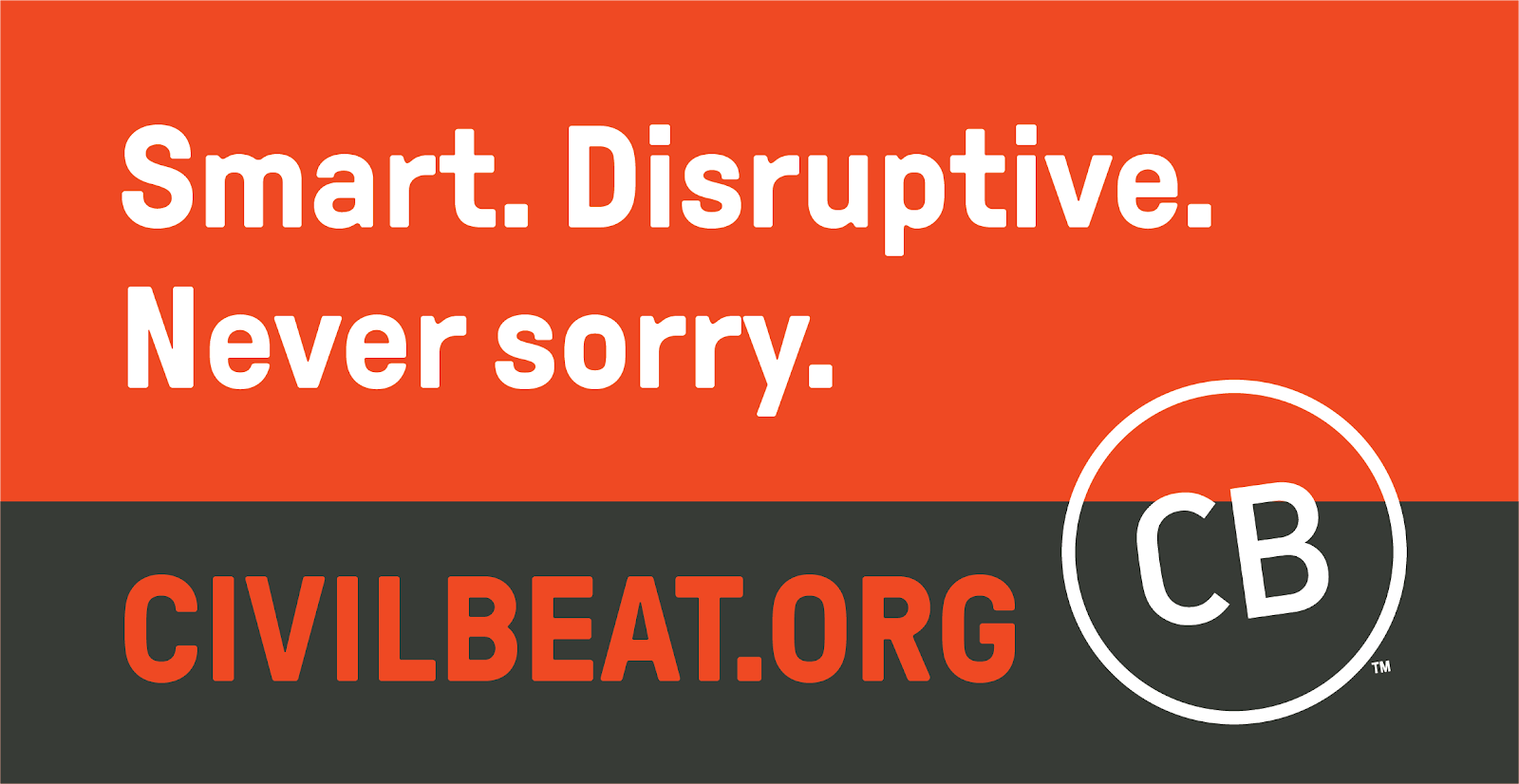
At the time, one of their bumper stickers read, “Smart, disruptive, never sorry” – a nod to their hard-hitting reporting and their status as a disrupter to traditional media. They realized that messaging that held Civil Beat at arm’s length from the community was a poor fit for where they were headed – a member-supported news organization. 

In the process of rebranding, they made changes to everything from their onboarding campaign to their events strategy to bring their brand in line with the relationship they wanted to have with audience members, especially potential members. 

Why this is important

Branding is about more than logos and taglines. It’s the experience that audience members have with you. So when Civil Beat rebranded, they didn’t just change up surface level items. They implemented an extensive onboarding campaign to help readers understand how they worked, they pivoted their events strategy, and made sure that members showed up in their work much more prominently. They worked hard to reduce the barriers between their newsroom and the community, and made sure that their communications reflected that. 

“We did a lot more explaining, a lot less telling, and embraced a more nuanced approach to messaging. Over time we told readers pieces of our story in digestible bits in a much more detailed way,” Nishimoto said. 

If your organization is preparing to launch a membership program, or your program is struggling to grow, it’s worth taking a look at your branding and making sure that it aligns with your value proposition and that it sends the signal that members are a part of that value proposition. 

What they did

In 2016, as it prepared for the transition, Honolulu Civil Beat hired a local branding and marketing firm to guide the newsroom through a branding process. Staff answered questions such as what Civil Beat means to them and how they fit into its mission. The only problem was that audience members weren’t a central part of that process – and Civil Beat was about to begin asking them for support. 

At the time, Civil Beat’s branding and messaging “aggressively positioned Civil Beat as outliers in the media landscape. Being an outlier without establishing reader trust can be a bad combination,” n Nishimoto said. He had just joined Civil Beat.

A Civil Beat bumper sticker prior to the rebranding campaign (Courtesy of Civil Beat)

“If you’re disrupting the status quo but people have no idea what you are, what you stand for… it grows suspicion, not trust. That was the disconnect I found and that we quickly realized.”

Civil Beat already had a strong in-person events strategy at the time, but events were largely about current events and called “Beat Ups.” Inspired by the Voice of San Diego, they began inviting the community into their newsroom regularly for morning coffee, which they still do today.

These gatherings have no agenda. They’re just an opportunity for supporters and readers to chat, ask questions, and share concerns, and sometimes what journalists hear in those chats ends up shaping Civil Beat’s reporting. Those morning coffees remain a core part of their events strategy (although they’re on pause because of the COVID-19 pandemic).

They also put a drip campaign, or onboarding series, in place for their main newsletter. When they started it the series had just three or four emails, but today it has more than a dozen emails, including: 

  • Why local journalism is important and what journalism should be to Hawaii
  • How Civil Beat exposes wrongdoing and pushes for accountability
  • What nonprofit journalism is and how that differs from legacy media
  • Who their supporters are and how they make money (including what their relationship is with Pierre Omidyar,* the founder of eBay and their largest donor) 
  • Why they push for transparency and list all of their donors on their site
  • Why they’re committed to in-person engagement 

Through a process like that, “the message naturally pivots to something less in your face, a lot more explanatory. It becomes, “Civil Beat is aggressive for a reason. We’re outliers because we’ve done this, this, and this,” Nishimoto sums up.

The drip campaign and events reduced the barriers between readers and journalists, Nishimoto said. They also focused on getting their reporters out in front of the community and making them more comfortable interacting with readers in a casual way. 

As Civil Beat began gaining supporters, they also adapted their marketing strategy as well, by featuring member testimonials on the homepage, said audience development editor Landess Cole. They made sure to integrate audience members into their visuals, making the website less cold and impersonal. 

*Pierre Omidyar also established Luminate, one of Membership Puzzle Project’s funders.

The results

Cole is constantly adopting things she hears from members in Civil Beat’s messaging, as she did in this winter 2019 membership campaign email and this Facebook post in 2018. This means the brand messaging is constantly evolving with members’ understanding of their work.

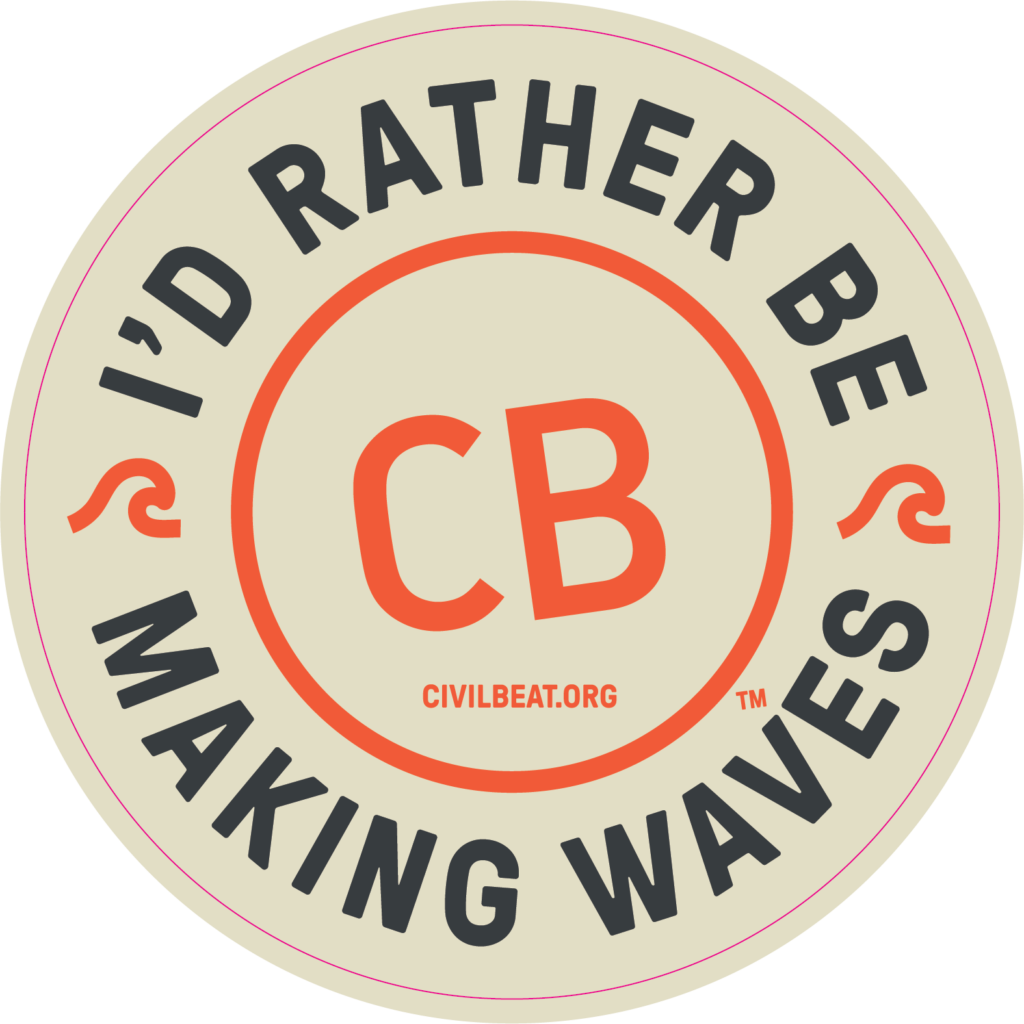
A “friendlier” Civil Beat bumper sticker, after the rebranding campaign (Courtesy of Civil Beat)

Their donations page includes a place where supporters can explain why they chose to become a supporter. Cole says that 85 to 90 percent of supporters take the time to fill it out. The answers are a reflection of what supporters value about them. 

Those answers automatically post to a channel on the newsroom’s internal Slack workspace so the whole newsroom can hear how the community sees them. Cole incorporates many of those comments in future fundraising materials. When someone wrote that they supported Civil Beat because it’s “Strong, independent, and ad-free,” she knew to include that in their next email pitch.

“The one thing that hasn’t changed is the work that the reporters do – editorial strategy – all of those things we worked around. We’re packaging it differently now. We wanted to make sure the reporters understood that what they’re doing now and in the future is important and we don’t want to meddle with it too much. We just want to position it in a more digestible way,” Nishimoto said.

What they learned

Different branding resonates with different people. The older Civil Beat branding – encapsulated in the bumper sticker “Smart, disruptive, never sorry” – worked with a certain type of audience member, someone who was already really into local journalism, Cole said. But that segment of potential readers is quite small. Civil Beat wasn’t worried they would lose those readers if they softened their tone a bit.  “By expanding that brand and taking away the aggressiveness of that branding campaign, we expanded our audience appeal immensely,” Cole adds. It can be hard to abandon a brand identity you’ve had for awhile, but audience research can help you understand if it’s time to move forward.

Key takeaways and cautionary tales

Your audience members should be a central part of your branding process. Civil Beat hired a branding agency to support them in their branding process, but the real changes happened after they began actively soliciting feedback from the community about how they felt about Civil Beat and what they needed to know about it. Audience research is a crucial part of any branding exercise, but especially one with the end goal of increasing audience member support for your organization. 

Other resources

Newsroom overview

Who They Are
An independent media startup in Myanmar covering current affairs and business in English and Burmese
Location
Yangon, Myanmar
Founded
2015
Membership program launched
2020
Monthly unique visitors
120,000
Number of members
421 (plus 147 print subscribers grandfathered in)
Percentage of revenue from membership
25 percent

By 2018, media startup Frontier Myanmar knew they needed to diversify their revenue streams to continue resisting government and commercial pressure and maintain editorial independence. But they knew that putting up a paywall and launching a subscription would shut access off to the overwhelming majority of readers in Myanmar. 

They decided a membership program was the right way forward. But visiting other newsrooms in Asia with membership gave them little insight into what a membership program in Myanmar should look like. So they took the question back to their readers instead, identifying their target users, hosting focus groups, and sharing prototypes along the way. 

Why this is important

Frontier Myanmar had no experience with audience research or design thinking when they decided that a membership model was the right next step. Guided by Asian media consultancy Splice Media, they undertook a several-month audience research and product design process. 

Although they received guidance from Splice, Frontier’s team did most of the research themselves. MPP offers this overview of the steps they took to show that a fairly simple audience research process can yield incredibly useful results if you have an engaged audience already and you know what information you need from them. The focus groups challenged several of Frontier’s assumptions about what types of member-only products would resonate, and gave them confidence that their message of paying to keep Frontier’s journalism free for everyone would resonate.

What they did

Frontier Myanmar began the process in spring 2019, after receiving a Google Digital News Innovation grant. They started simple: a landing page announcing that they were building a community to support Frontier, and asking people to sign up for updates if they wanted to learn more.  They promoted it on Twitter, Facebook, with a banner ad on their site, and in their biweekly newsletter to digital magazine subscribers. Six hundred people signed up almost immediately, and by the end of the audience research phase, which took about a month, there were more than 1,000 people on their beta list. 

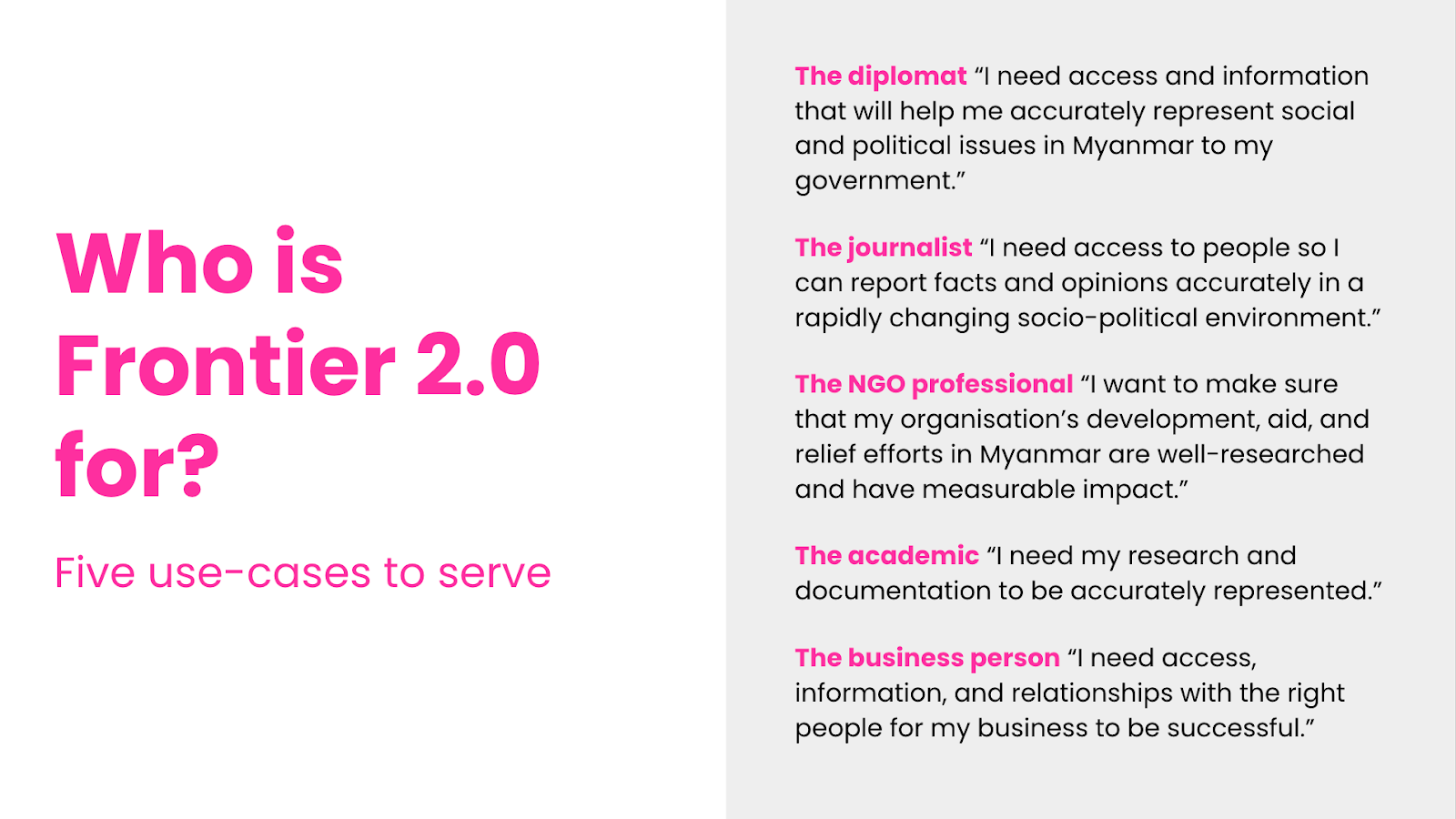
At the same time, they identified five target users, which they assessed based on two factors: those who relied on Frontier’s continued existence and saw it as a critical player in Myanmar’s transition to a democracy and who would be willing and able to support it financially. They identified diplomats, journalists, NGO workers, academics, and businesses, then used their personal networks to bring in representatives of each for focus groups (one focus group for each persona, usually with about five people). They also did some targeted 1:1 interviews. They did all this over a month. 

The five personas Frontier designed for (Courtesy of Splice Media)

During those conversations, they asked those users “What do you need for your life? What do you need in order to do business?” (See Slides 22-27 in this presentation from Splice Media to see the types of questions they asked.)

They thought they might hear requests for comments or a members-only Slack. They didn’t. Frontier also assumed that roundtables and panels with politicians, academics, and other experts would be a key component, but they heard from participants that existing organizations like the chambers of commerce already did this well, that there were already more events than people could attend, and users didn’t think Frontier would offer a particularly good event product, Digital Editor Clare Hammond said. Frontier still plans to experiment with casual events, featuring a brief Q&A with a Frontier journalist, followed by drinks, but the coronavirus pandemic interrupted those plans after just one such event (which went well).

Their target users wanted two things: help monitoring Burmese-language media and a daily news briefing that would bring the top headlines together for them. At the time their target users relied heavily on Burmese colleagues to tell them what to pay attention to and many organizations spent a significant amount of money on getting local news translated into English. 

Frontier realized that if they took that responsibility on, they could solve a key problem for thousands of entities and individuals, and save them money. A Frontier membership would be cheaper than individual translation services. 

From there, they designed prototypes of two member-only newsletters:

  • A daily current affairs email newsletter that rounds up the top things to know, including government statements, company statements, top headlines, and other bits of information their reporters hear that don’t rise to the level of full stories
  • A daily media monitoring report that translates the top headlines from the six biggest Burmese newspapers, and fully translates a couple top stories 

They sent those to a beta list for free for two months while they worked out the other details, such as pricing and tiers, which they also surveyed the beta list about. Frontier also regularly surveyed the beta newsletter recipients for feedback on the tone, design, and length. 

The results

The process, from the receipt of the GNI grant, allowing them to begin their work with Splice, to the membership launch, took about seven months.

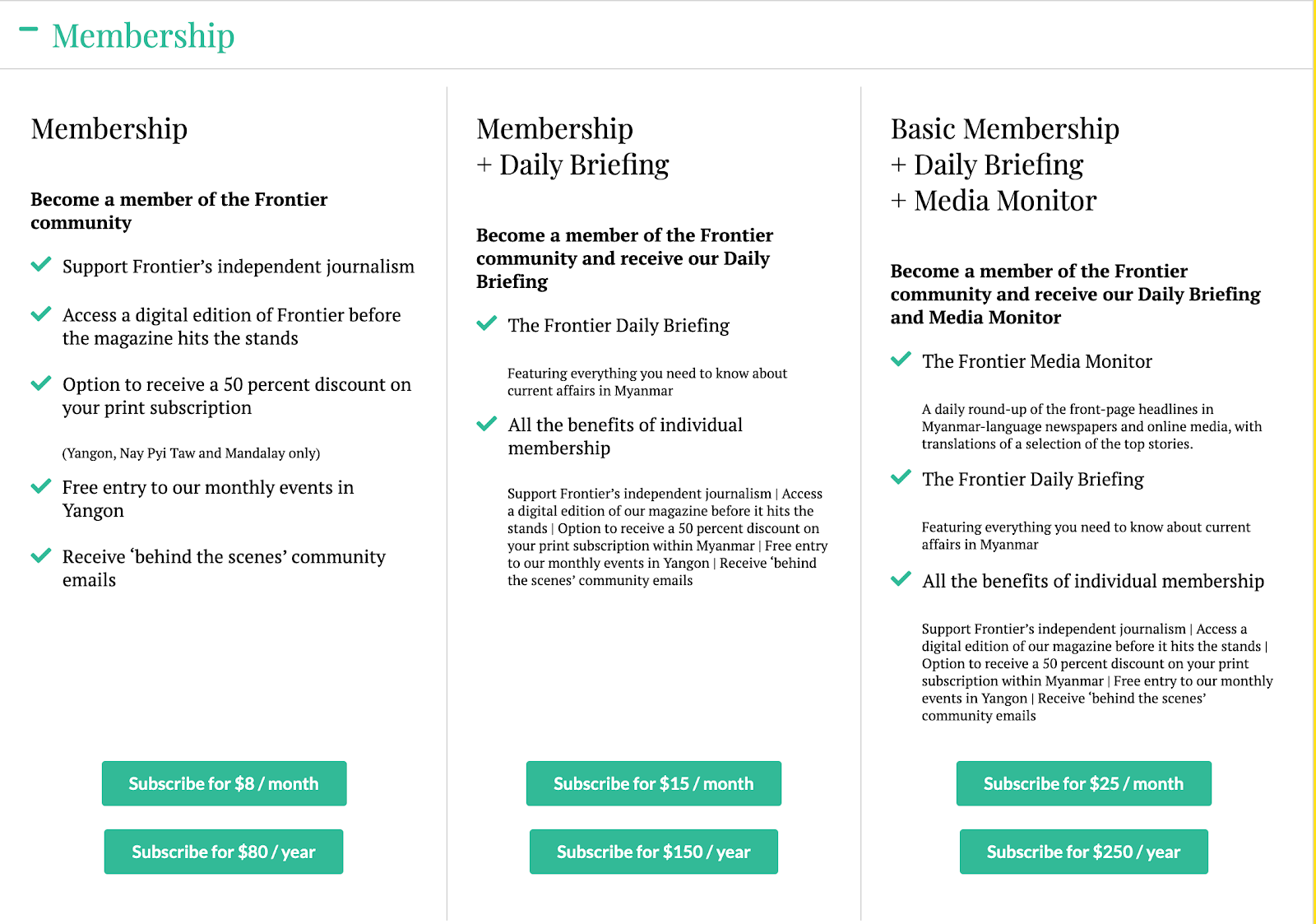
They launched their membership program in January 2020, just before coronavirus began dominating headlines in the region, with the following tiers:

Frontier Myanmar’s membership tiers (Courtesy of Frontier Myanmar)

They also provided the option to join as an individual (1 login), small institution (5 logins per membership), and large institution (20 logins per membership). Most of their members are individual members, but as of July 2020, they had 16 small institution members with 93 logins total, and three large institution members with another 60 logins. 

About 80 percent of their members are expatriates, which Frontier expected and designed for – their membership products are in English, the pricing is comparable to media products in the U.S. and Europe and they can handle payments in credit cards. They have gotten comfortable with the fact that designing elite newsletter products is what will bring in the revenue they need to keep their journalism work free for anyone to access. 

“Frontier is a bridge between local journalism and international reporting on Myanmar. It’s read by a lot of expats, and [the five target users they identified] pretty much is all the expats in Myanmar,” Hammond said, noting that Burmese speakers are able to access for free what expats needed Frontier to package for them. She added that they do receive support from Burmese readers, but for them it’s more about supporting the mission of independent journalism in Myanmar. 

In January they also launched a “Frontier Fridays” newsletter, a free weekly news roundup that anyone can sign up for. Their goal is to give people a taste of what they could get daily if they became a paying member, and to build a relationship with those for whom a daily news briefing is more than they need. They have 3,800 people on that list.

By July, the revenue brought in from membership already exceeded advertising revenue, which had cratered due to coronavirus. 

Frontier is now forming its first sales team, which will focus on pitching institutional memberships and working with the editorial team to design products that they can find sponsors for, as well as more typical advertising responsibilities. They’ll also soon be sending out a six-month survey to newsletter recipients. 

What they learned

You can’t copy someone else’s model. During the planning stages, Frontier founder and publisher Sonny Swe visited Malaysiakini in Malaysia and Rappler in the Philippines, which both have membership programs. But it didn’t do much to help him figure out what membership should look like for Frontier. That only came when the team sat down with their biggest fans, their readers in Yangon. “You can’t just copy and paste someone else’s model. We live in a different country, different landscape, different spending power,” Swe said. “It has to be tailor-made based on our audience, based on this media landscape.”

Membership is a hospitality business. Swe realized early on that customer service is a critical component of success, so they hired a membership manager who had previously worked at one of the foreign chambers of commerce in Yangon.

Engagement matters more than scale. Swe knew this, in theory. But what really drove it home for him was what happened when a daily newspaper in Myanmar with 22 million followers on Facebook launched a membership program 1.5 months before Frontier launched theirs. The core component was asking people to give 3,000 kyat a week (about $2.25 in July 2020) to access previously free video streams. It’s gained little traction. Swe says that showed him that, “No matter how big your audience is, the most important thing is who your real audience is, who is the hardcore follower. We have only a few hundred thousand, but they feel that Frontier is part of their life and their community.”

Don’t assume you know your audience until you’ve talked to them. Premesh Chandran, co-founder of Malaysiakini, hammered this point with Swe. “Do you know your audience?” he kept asking. Swe says he thought he did because he had been writing for them for years, but accepting that this was not the same as knowing their audiences was a key moment for Frontier. 

Design thinking is a muscle. Going through this cycle of audience research and product design has taught Frontier a new way of designing journalism products. They’ll use these skills again and again. They’re considering applying this approach to future journalism products that they expect they can get underwritten, opening up new revenue streams. 

Key takeaways and cautionary tales

There is no copy-and-paste for membership. While there are a few almost universal truths about what motivates people to become members, what that looks like in practice is highly individualized. The audience research process Frontier undertook was a significant up-front investment, but the return on investment has been equally significant. Building in time to co-design with your engaged readers is likely to help you design more desirable products that gain traction more quickly. This is applicable to all kinds of journalism products, not just membership. 

Other resources

Editor’s note: This case study was edited after publication to correct the year that Frontier Myanmar launched its membership program.

Discovering our value proposition

Underpinning all of MPP’s research is the question of how membership models address their audience members’ needs for affiliation, connection, and sense of belonging to a cause bigger than themselves. The cornerstone of any membership program should be a value proposition that articulates how the experience of membership provides value to members.

A value proposition is a statement of the value a product or service creates to address a particular user need. You can and should define a value proposition for any product or service you create.

Part of the challenge of defining a membership value proposition is that these terms – “membership,” “value,” “audience member need” – are fuzzy. During the user research process, MPP asked more than 25 newsrooms what membership means to them. The answers varied considerably:

• “It’s the heart of our organization because it influences commercial opportunities and editorial, and drives the event side. Our membership director touches every part of the organization, and that’s the way it should be. It’s not just a revenue line, it’s the core culture of our organization.” 

• “It’s a different relationship. Money is still changing hands as though you are buying something, but instead of saying, ‘This is giving me access to something,’ it’s saying… ‘This is part of my suite of things I’m doing to try to make the world better, such as donating to a food bank or a nonprofit. All of these are things I do to push the world in a more positive direction.”

• “An alternative to a paywall, I think membership is a little bit kinder, a little bit more gentle, more of an ask rather than a demand. When you talk about user generated revenue and reader generated revenue, I think paywalls and membership. Paywall is a forced thing. Membership empowers readers to get involved.” 

Defining your membership value proposition will help you turn ideas like these into an experience that offers value to your members. It offers a blueprint for what your membership program should accomplish for them and what you need to build to get there.

It is the first step in making a pitch to audience members to join your membership program or participate in your journalism through memberful routines. 

A member-driven newsroom needs to be able to tell a compelling, accurate story about its mission. This story makes it easy for audience members to understand how your work improves the world they live in and how they can play a role by supporting you, whether that’s with their time, ideas, expertise, connections, or money. All of this begins with defining your newsroom’s value proposition, then your membership value proposition.

Though the idea of a “value proposition” may be new to some newsrooms, there are analogues in different news ecosystems across the world. In Argentina, the “reading contract” is a tacit agreement between a news organization and its audience.
 
The agreement is “proposed” by the news organization with its content, design, and tone, and the audience “accepts” it by reading and supporting their work. Successful reading contracts find the match between their editorial mission and readers’ expectations, motivations, and interests – and they evolve as expectations, motivations, and interests change.

MPP has found that a successful membership program usually grows out of something deeper and prior: a reading contract that has already started to “bind” audience members to journalism even before any request is made to become a member.

This section will help establish the role a value proposition plays in making the case for membership, and walk you through how to identify your value proposition. 

What is our value proposition?

If you are launching a membership program, you’ll need to have at least two value propositions: one for your newsroom itself, and one for the membership program. 

Your newsroom value proposition guides your organization’s overall strategy and direction. It is not a summary of everything you do. Instead, it articulates what your newsroom uniquely exists to do, the value it creates, and why it is distinctive. It connects what your audience needs to what your newsroom creates. A clear value proposition will help your newsroom to focus on consistently doing what it does best. A strong newsroom value proposition should be understood by everyone on your team and incorporated into all parts of a news organization. You should hear iterations of it repeated back to you by audience members. It will show up in everything you do, from the editorial products you offer to how and who you hire.

A newsroom value proposition should help you: 

  • Define what you stand for consistently and clearly
  • Decide what not to do when you can’t do it all
  • Articulate why people should choose you over other news sources
  • Distinguish yourself from competitors and collaborators
  • Develop a distinctive brand strategy
  • Hire the right people

Then, when you launch a membership program, there is a specific value proposition to figure out: how the experience of membership offers value to members. A membership value proposition builds on your newsroom value proposition, articulating why an audience member should go beyond just consuming your journalism and become an active participant and supporter of it. A membership value proposition gives audience members a reason to join, and gives them a clear picture of what they’re opting into.

With most newsrooms launching audience revenue efforts, whether subscription, membership, or donations, crafting your membership value proposition will help you successfully:

  • Pitch membership 
  • Develop a membership brand strategy 
  • Identify membership benefits and experiences that align with your mission

The rest of this section will focus on how to identify your membership value proposition. The research team assumes your newsroom has already crafted and refined your newsroom value proposition. If you haven’t done that yet, the process the research team outlines below can be adapted for creating one.  You should articulate the newsroom value proposition first, before tackling a membership value proposition.

What makes a strong value proposition?

The first step to crafting a strong value proposition, whether for your newsroom or for your membership program specifically, is to isolate what your newsroom is really good at. 

You might already know this if you have previously identified your newsroom value proposition. If you don’t, MPP suggests a simple “First, Best, Only” exercise.

Bring all your membership-concerned stakeholders together, and invite each person to complete the following sentences.

  • We are the first ones to…
  • We are the only ones who…
  • We are the best at… 

We recommend each participant write each answer on a separate post-it note. Once everyone is done, you can present your answers. Synthesize the answers by clustering those that are similar. Those that show up multiple times across all the participants are a starting point for defining your special capabilities. 

Save these in a list you can come back to. They will help you craft the specifics of your value proposition later on. A strong value proposition will also build on audience research, which will tell you what your audience needs are. 

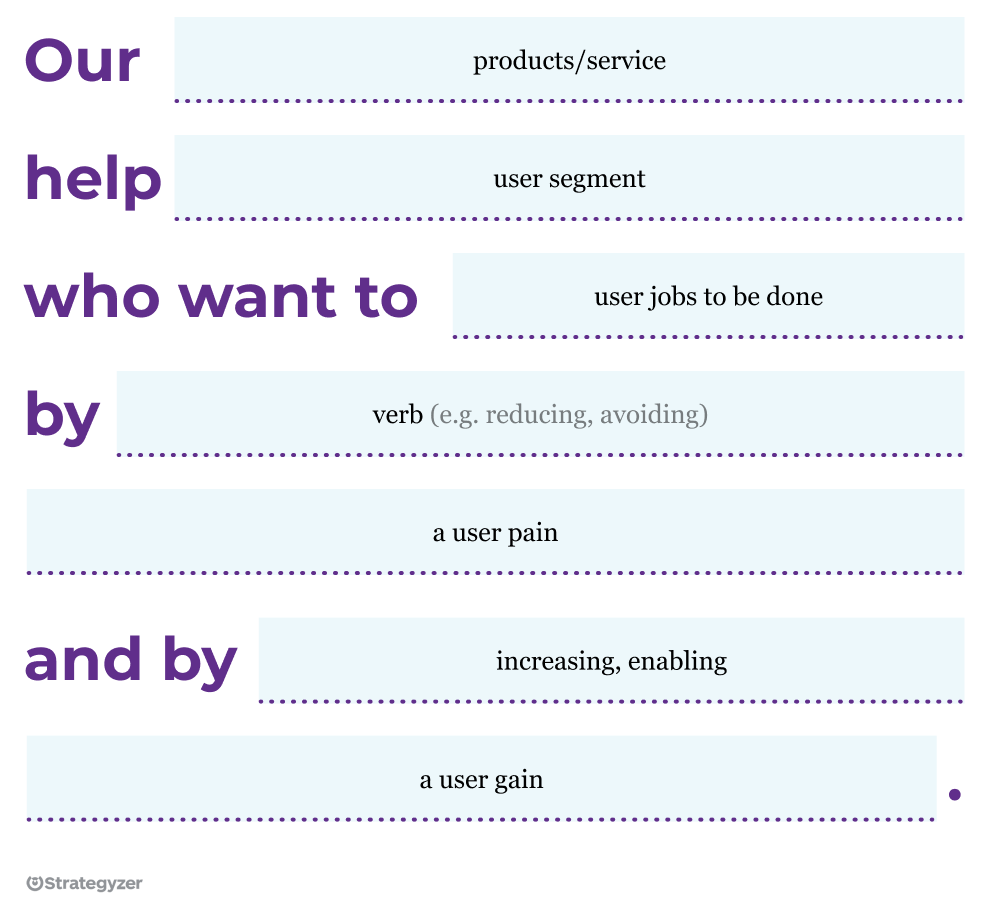
Value propositions can be phrased in different ways. MPP’s preferred format for a value proposition is based on the Value Proposition ad-libs template by Strategyzer:

Designed by Jessica Phan. Content by Strategyzer.
These elements – what you make or do (products/services), who you serve (user segments), your user’s motivations (user jobs to be done), and how it works (how you reduce pain and enable gain) – are what you need to figure out in order to create a value proposition. 

The value proposition is not necessarily something you’ll ever publish, at least not in the Strategyzer template form. But it will become your internal North Star for everything from how and when you invite audience participation to how you brand your membership program. 

You won’t really know if you’ve gotten your value proposition right until you launch a product or service and test your assumptions about what products, stories, and experiences are actually serving your audience members’ needs.  It’s that process of testing and iterating against your value proposition which will help you refine your product or service over time.

Strategyzer also offers a manual and instructional video for using their Value Proposition Canvas, but MPP prefers the ad-lib template, which is a bit simpler. 

Strategyzer Ad-Lib Template
Download

Membership Puzzle Project has studied its founding partner De Correspondent closely to understand how it succeeded at building a sustainable, robust member-driven newsroom and what lessons we can learn from their success. 

If De Correspondent had used the Strategyzer model to write their value proposition, it might look something like this: “Our journalism helps Dutch readers who want an antidote to the daily news grind by eschewing hot takes and by doing deeply researched reporting that articulates not just the problem, but what can be done about it.” 

That value proposition – an antidote to the daily news grind – shows up not just in the way they produce their journalism, but their calm visual design, which gives readers space to focus without constant demands on their attention (an example of how the value proposition carries over into branding and design).

One thing is clear: their value proposition resonates, and it has a strong overlap with the core principles that De Correspondent staff have defined for themselves. One of their members told our researchers, “You get the feeling they really looked into it.” To learn more about De Correspondent’s value proposition, check out “What members say about why they supported De Correspondent.” 

How do we identify our membership value proposition?

A membership value proposition articulates how you intend to create value for your members. Membership is a social contract between a news organization and its members in which members give not just their money, but their time, energy, expertise, and connections to support a cause that they believe in. For this reason, a membership value proposition should do more than satisfy individual needs with a bevy of benefits. It should make the case that becoming a member of your organization is a way to fix something in the world that feels broken. 

Start with what you already know

If you use the Strategyzer ad-lib template to figure out your membership value proposition, two things will be easy to define: (1) what you make or do (your product or service) and (2) who you serve. 

What you make or do is your membership program. Your membership value proposition should apply to your membership program as a whole. At this stage, do not worry about specific benefits such as access to content or VIP events. Those are features of the program.

Who you serve is your most loyal audience members. MPP’s research into membership supports what others in the audience revenue space have found: it is the audience members who are the most engaged and who have a habit of turning to you regularly that are the most likely to become members and/or participate in your journalism. Thus, your membership program serves your most loyal audience. 

If you want to get more specific about how you define loyalty at this stage, you can – for example, you could define the target user as daily newsletter subscribers who open 80 percent of the time. Breaking down your loyal audience by behaviors (like open rates) or demographics (like neighborhood) can help you eventually refine your membership benefits and marketing, but it’s not essential at this stage.

Discover your potential members’ motivations, or “jobs to be done”

Membership value propositions connect your special capabilities with your loyal readers’ motivations. This step is about discovering what would motivate your most loyal audience members to become supporters. (If you’re using this process to craft your newsroom value proposition, you can start with a wider group: your target audience. Some of them will become members, and some will not.)

Understanding your potential members’ motivation for membership is what you need to discover. By motivation, MPP means underlying needs, desires, and aspirations – not swag. When you have a solid value proposition, you can proceed to designing membership benefits.

MPP has done extensive research to help newsrooms understand loyal readers’ motivations for membership. Here are some common reasons loyal audience members join news organizations as members:

  • A sense of affiliation or belonging
  • Feeling my concerns are heard by the organization 
  • Offering the world something that I think should exist
  • Advocacy for important issues on my behalf 
  • A sense of uniqueness
  • Being connected to other like-minded people
  • Being connected to other like-minded organizations
  • Ease of use

There may be other reasons unique to your community. While these tend to capture the motivations of supporters of open-access newsrooms, if your loyal audience members are motivated by exclusivity and access, you may find that you can build a straightforward value proposition on those motivations alone. See, for example, how The Plug’s exclusivity-based value proposition is reflected in its membership page. You can add your hypotheses to this list, and see if they resonate in the responses. 

You’ll likely need to conduct a survey or focus group to gather this information. MPP recommends asking your readers to identify the top reasons they would join and to leave space for them to write in any not captured in the list.

The research team offers detailed guidance on choosing between surveys and focus groups, as well as how to survey your audience members about their values in order to design your membership program. Jump to “Conducting audience research” for that.

Once you have their responses, look for patterns: what is the most common motivation? What is the least? 

The other way to approach understanding why a reader would choose membership is to think in terms of jobs to be done. This idea comes from Clayton Christensen’s theory of innovation. Instead of focusing on the attributes of a product (like whether members want a tote bag or a t-shirt), this framework focuses on what unfulfilled need or desire a customer has which the product helps to solve: the job that the product does.

By applying the jobs to be done framework to your own membership strategy, you’ll likely realize that your organization isn’t just competing with other news organizations. You’re competing for time and attention with social media, busy calendars, and even phone calls. The jobs to be done framework offers a way to process and act upon this knowledge.

For example, Krautreporter in Germany prides itself on its engagement-focused approach to journalism that emphasizes context, not breaking news. But as it interviewed members in late 2019 and examined its metrics, the team learned that members often canceled their membership because they didn’t have enough time to engage with their coverage. Krautreporter described this as “time expensive.”

So Krautreporter set out to make it easier for its members to fit the site into their lives. It reworked its morning newsletter to feature aggregated major news headlines along with Krautreporter’s more in-depth reporting so readers can get both in one place. The organization is also thinking about grouping stories by length, and continuing to look into developing more finite news experiences so readers can feel like they’ve caught up to the news.

All of the membership motivations listed above are “jobs to be done” that your membership program could help your readers do. Human-centered design practices often use the “jobs to be done” idea as part of understanding user needs and motivations. It can be a potent frame for newsrooms because it forces you to focus on what you are doing for audience members, rather than what you are publishing as journalists.

Determining how it works

The final step is addressing how your membership program creates value for your members by addressing your loyal audience members’ needs and motivations and helping them make progress on their jobs to be done. It takes you one step closer to designing program features, particularly benefits.  

This is where you’ll revisit the special capabilities that you previously identified.  The “how it works” part of a value proposition is the point of overlap between what your newsroom does distinctively well and what motivates your loyal readers. Identifying what you’re good at will help you define the unique ways that you can reduce potential members’ pains and increase their gains. It is seemingly simple but vitally important because it proposes how membership meets a user’s need in a way that you can actually test and learn from over time.

In MPP’s research with audience members on how newsrooms can deliver value for members, MPP heard the following features:

  • Ability to interact with reporters
  • Exclusive access
  • Events/opportunities to connect with others 
  • Merchandise/physical branded goods
  • A good user experience, such as easy site navigability  

These are just five of the membership features that the research team has seen most often, not a definitive list of ways that newsrooms can deliver value to members. As with motivations, audience research with your most loyal audience members will help you figure out what should go here.

For example, if your membership value proposition is, “Our membership program helps our loyal readers feel a sense of belonging by connecting them directly with reporters working on issues that matter to them,” you can implement this value proposition by offering   opportunities for audience members to connect with the reporters as membership benefits. This benefit might look like an opportunity to attend editorial meetings or fill out a survey to help inform a reporter’s approach to their coverage of a particular topic. 

You can test whether your benefits are creating value for your members by measuring the activity level and results of this benefit. Did the call to action for membership which highlighted this benefit convert any new members? Did your existing members take advantage of connecting with reporters? You could also survey your members who took advantage of the benefit to find out whether it increased their feeling of belonging.

Consider how the Texas Tribune’s director of loyalty programs, Sarah Glen, put it all together using the Strategyzer template in a workshop with Membership Puzzle Project:

Our membership program helps politically engaged Texans who want to deepen their understanding of the political landscape in our state by reducing the time it takes to find important statewide news and by providing them access to experts (including our reporters), connecting them with like-minded Texans, and enabling them to widely-share trusted information.

You can see that each of their answers to the “how it works” section don’t go all the way to defining the benefits that they will offer, but they do give a clear sense of what value each of their benefits will need to provide to members. 

The Texas Tribune identified Q&As with reporters and member-only events featuring political insiders and industry colleagues as ways to offer access to experts. Meanwhile, they connect members with like-minded Texans through their annual Texas Tribune Festival and other events throughout the year. 

For materials that can help you survey potential members and construct your own membership value proposition, see the Membership Value Proposition worksheet.

Membership Value Proposition Worksheet
Download

As you match up reader motivations with membership features that address those needs, keep in mind the following principles:

Focus on meeting your readers’ needs with what you do well. Go back to your list of special capabilities. Extending what you already do well to membership will help you integrate members and memberful routines more easily into your newsroom. It will also make your membership experience feel continuous with your journalism. It will also, quite simply, be easier to deliver than something beyond your capabilities. 

Avoid journalism jargon and buzzwords. Steer clear of statements based on the premise that journalism is intrinsically valuable, as well as journalism buzzwords (such as “participatory journalism,” “save democracy,” or “information needs”). 

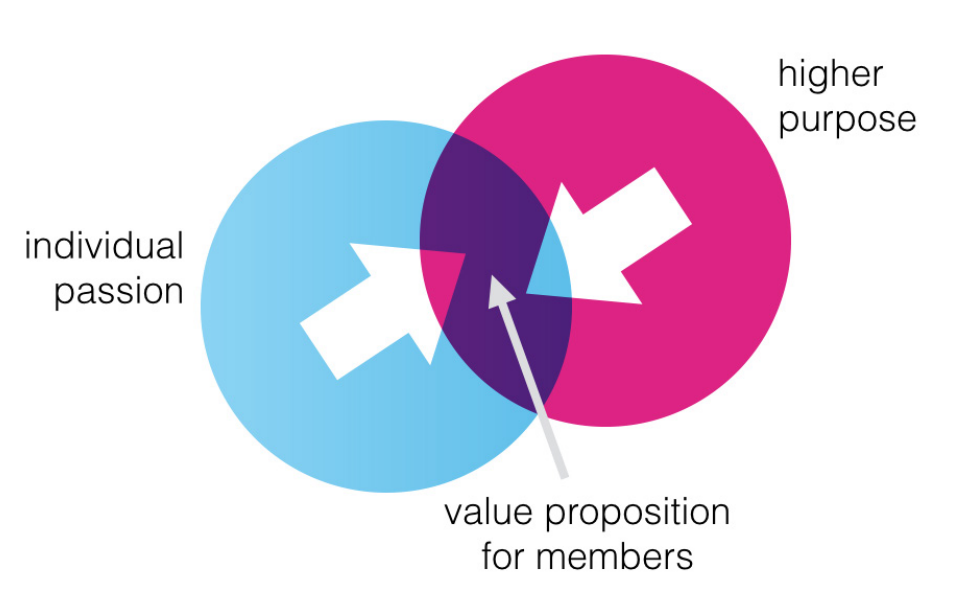
Balance meeting individual needs and shared purpose needs. People are motivated both by values they hold and by rewards. Your membership value proposition will draw on value motivations when you appeal to a higher purpose (“support a free press”). Your membership value proposition will draw on rewards when you articulate how your program will fulfill that motivation (“gain access to exclusive content”).  MPP has found that powerful membership-driven organizations use their value proposition to draw on both values and rewards.

Here is what is special about how membership value propositions work: successful membership programs are about meeting more than individual passions and motivations. In research into member-driven organizations beyond news, MPP found that the most inspiring and sustainable membership-driven organizations connect individuals to a shared larger purpose. They frame membership as a way to restore what feels broken in the world. They offer membership in their organization as credible grounds for optimism. And they give members a way to feel like they are part of the solution. 

It’s also important to understand what motivations and needs unite your readers. The Southeast Asian publication New Naratif publishes across many countries and many languages, meaning they can’t appeal to a sense of place-based sense of affiliation or belonging. Instead, they appeal to readers’ concerns about a free press and democracy, both of which are under threat across the region.

On their “About” page they write: “A common refrain heard across Southeast Asia is the idea that ordinary citizens cannot make a difference: “What can I do?”. New Naratif was founded in 2017 as a response. We build a better Southeast Asia by empowering Southeast Asians with the knowledge and skills they need to address our shared challenges and take collective action.” That’s a value proposition. 

What does a membership value proposition look like in local news?

If the community you serve is defined in part by a place, as is usually the case for local news organizations, you cannot stop at offering distinctive content and opportunities to participate. You need to lean into the special qualities of that place and position membership in your organization as one way to make that community a better place for everyone who lives there.

You should use the words “we,” “our,” and “us” to further position yourself as part of the community you’re serving, rather than holding it at arm’s length. 

A sense of place is one of the most powerful sources of affiliation and belonging that people can resonate with. When you draw on the distinctiveness of a place to help you create value in your membership program, you help meet your readers’ needs for affiliation and belonging. 

Using the Strategyzer template in a workshop with the Membership Puzzle Project, The Richland Source of Mansfield, Ohio, identified their newsroom value proposition:

Our solutions-focused local journalism helps readers who want to understand the whole story of the community by eliminating the news fatigue caused by just covering what’s wrong and replacing it with a more holistic and nourishing local news experience that helps our city reach its full potential.

Then they identified their membership value proposition:

Our membership program helps members who want to make their city a better place by bridging the gap between them and the newsroom that covers their lives, and by forming a vital partnership that fosters trust, togetherness and growth through community-funded journalism.

Here is how that shows up in their mission statement, and their membership program. Their stance on crime reporting is a strong example of a way that their work reduces a pain for audience members. 

Courtesy of the Richland Source

Learn more about how the Richland Source tells its story from their November 2020 workshop with the Membership Puzzle Project (slides 22-47).

In nearby Akron, Ohio, audience-owned cooperative The Devil Strip goes further. In a Medium post, publisher Chris Horne introduces the Devil Strip’s eight values, including:

Our work is for Akron. This is our reason for existing, not merely our editorial angle for stories. We are advocates for the city of Akron and allies to its people, so we may be cheerleaders, but that won’t keep us from challenging the city’s flaws. What’s the point of being part of the community if we can’t help make it a better place for human beings to live?

Our work should be done with Akron. We would rather build trust through cooperation and collaboration than authority. Our place in the community is alongside it, not the outside looking in or trying to stand above it looking down.

We care about you, not just your eyeballs. Sometimes, we love a good fight with the status quo, but conflict and antagonism will never be a way of life for us, especially not to boost clicks, views, comments, shares and “eyeballs”. We are a watchdog to hold our leaders accountable, not to keep the neighbors up all night with our barking.

Love our neighbors. Our stories humanize the people in our city. We not only want to counter sensationalized and alarmist reporting but to eventually render it obsolete. We advocate for justice, freedom and equality because those qualities make this city, and our lives, better.

These values statements hit all the notes of Strategyzer’s value proposition framework, and lay the foundation for the Devil Strip’s pitch to Akronites to become member-owners of the co-op:

Courtesy of the Devil Strip

The clearer you are on who you serve and the better you know them, the easier it is to define your membership value proposition. And with a clearly defined audience and value proposition, it becomes easier to speak to your community in critical moments. This was the case in the spring and summer of 2020 for WURD Radio in Philadelphia.

“So many people rely on us for socialization. With people in lock down, I knew that people were uncertain. I knew having the consistency of voices that people trust, that would matter a lot. …We had this real focus on providing credible medical information. Lots of our listeners are older, they are economically disadvantaged, they have a lot of pre existing health challenges. It was the vulnerable population for COVID,” explains President Sara Lomax-Reese.

The combination of the impact of COVID-19 on the Black community and the wave of racial justice protests amid the pandemic helped crystallize for many listeners why they needed WURD. Lomax-Reese was able to build on her station’s service to their community to craft a powerful appeal for support. She wrote a personal essay during their summer membership campaign which articulated what WURD would do to keep serving the community, and why the station needed their listeners’ support.